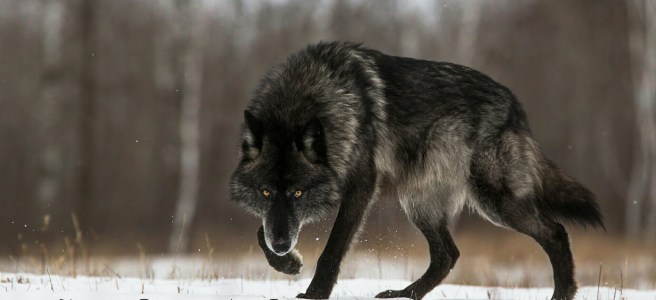
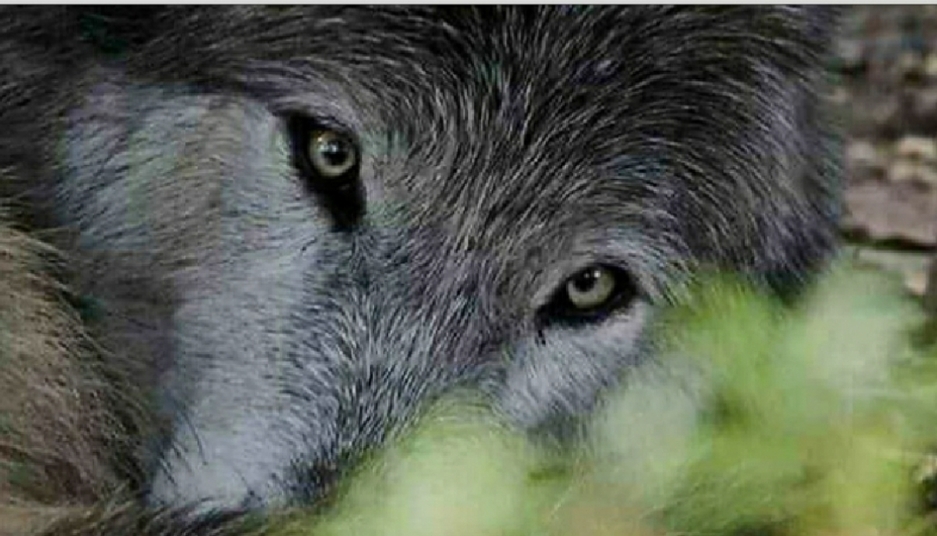
Washington: Stop the Wolf-killing Protocol 
As you probably already know, the Center for Biological Diversity and Cascadia Wildlands filed a lawsuit challenging the lethal management protocol of wolves in Washington.  The lawsuit asserts that the Washington Department of Fish and Wildlife's killing of wolves in two packs in the northeastern part of the state relied on a faulty protocol and failed to undergo required … Continue reading Washington: Stop the Wolf-killing Protocol 
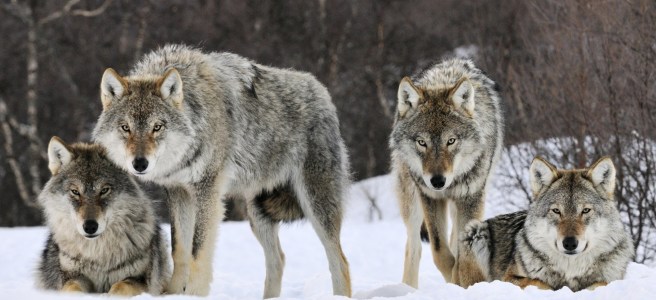
Stand Against The Sportsmen’s Heritage and Recreational Enhancement (SHARE) Act (H.R. 2406)

The Sportsmen's Heritage and Recreational Enhancement Act of 2015 (H.R. 2406), aka the "SHARE Act", is an irresponsible omnibus of pro-hunting and anti-environment regulations that, if passed, would open federal lands to trapping, prevent the U.S Fish and Wildlife Service from restricting the illegal ivory trade, allow hunters to import the bodies of polar bears killed as trophies in Canada, prevent the government from regulating the use of lead ammunition (the consumption of which by wildlife can result in illness and death), and force wildlife managers to consider hunting and trapping interests above all others.

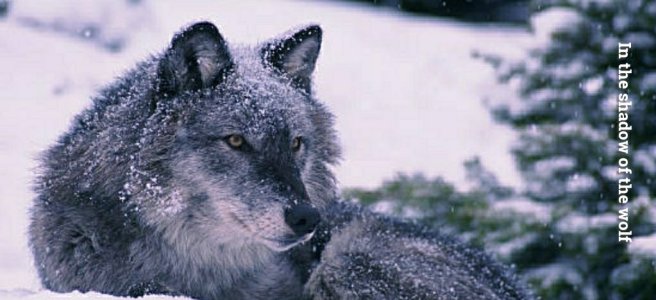
Hey, Congress~Leave Those Wolves Alone

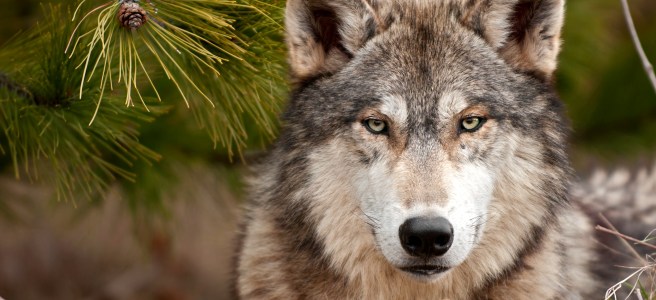
U.S. Senator John Barrasso (R-Wyoming) won passage of an amendment which would strip federal protection for endangered gray wolves in Wyoming and the Great Lakes states onto the so-called Sportsmen’s Act in Congress (.S. 659). Barrassos' amendment  mirrors a bill he recently introduced with Senator Ron Johnson (R-Wisconsin) and would subvert two federal court rulings, … Continue reading Hey, Congress~Leave Those Wolves Alone

No ESA Protection For Alexander Archipelago Wolves

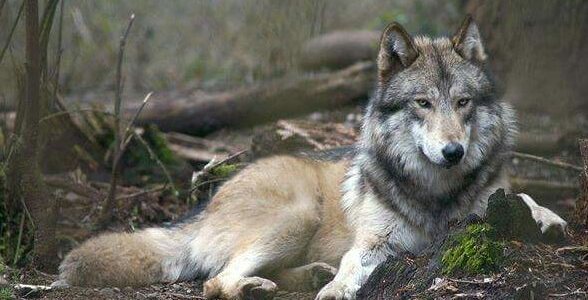
The Department of Interiors' announcement that it will not provide Endangered Species Act protection to the Alexander Archipelago Wolves is a significant one for environmentalists as well as the timber industry in Southeast Alaska. Had the wolf been found worthy of listing, the listing process would have impacted timber sales throughout the Tongass National Forest. One cannot help but speculate that the logging industry swayed this decision.