The plan would open more than half of the Tongass National Forest, roughly 9 million acres, to logging and road-building.
Trump Administration to Announce Plan to Open Tongass Forest to Logging
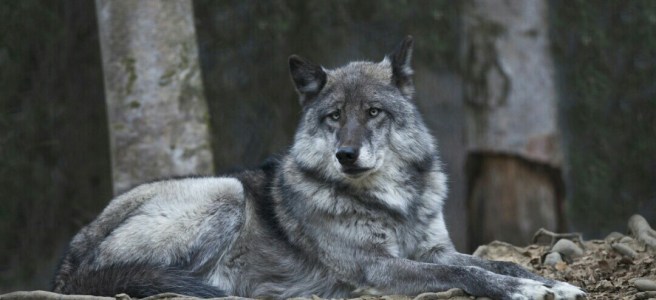
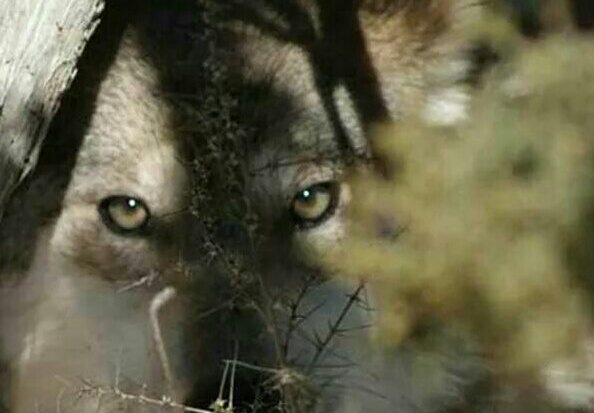
I Am Wolf. Quietly I Will Endure. Silently I Will Suffer. Patiently I Will Wait. For I Am A Warrior. And I Will Survive.©
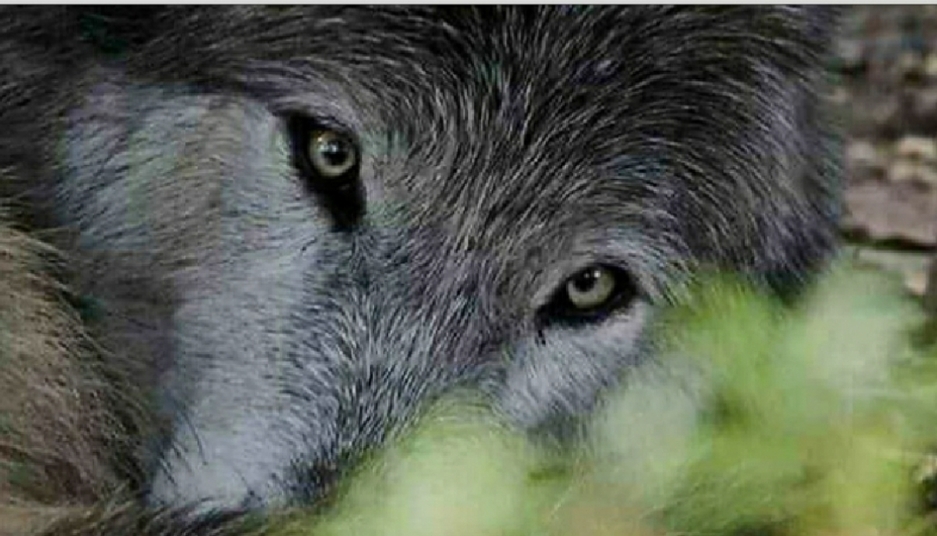
The plan would open more than half of the Tongass National Forest, roughly 9 million acres, to logging and road-building.
Our pressure on Alaskan officials is working!

$150,000 from a federal grant was used to help the state comment on the U.S. Department of Agriculture plan to repeal the “Roadless Rule” in the Tongass National Forest.

There is no mention of a "harvest" quota, and there will be no emergency closures. But no worries, “hunters and trappers are reminded that the goal of the new GMU 2 wolf harvest management strategy is to maintain the fall wolf population within the range of 150-200 wolves.

Note: The public has until midnight Alaska time on Dec. 17, 2019, to submit comments. Scroll towards the end of this post where you will find a sample letter and link for sending. Please speak up for your public lands. To reconcile the ecological value of the ancient forests in Alaska with their economic value … Continue reading Speak Up For Ancient Forests, Wolves, and Wildlife in Alaska.

"We, the more than 300 species conservation experts call for urgent and effective action to address the unprecedented, unsustainable and growing impacts on wild species from human activities."
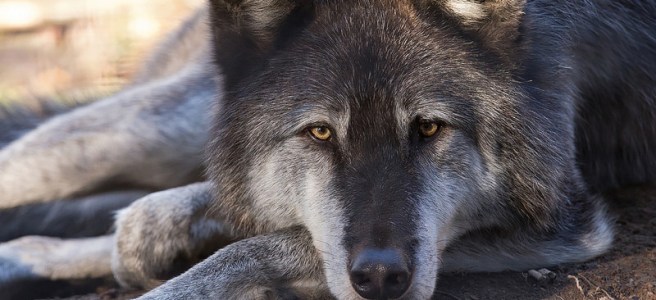
In the Tongass rainforest, the Forest Service has clung to the old-school logging of some of the most biologically rich, scenically stunning and carbon-dense forests on Earth.
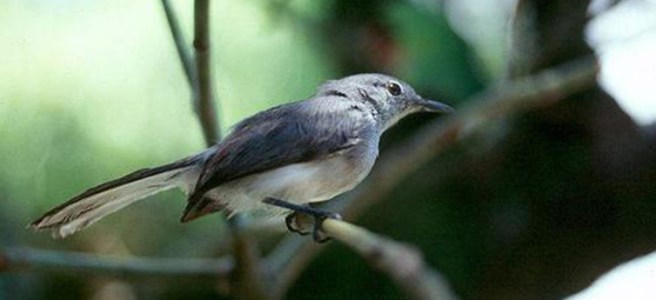
But extinctions may lag far behind forest loss, a phenomenon known as the “extinction debt” which may be paid over hundreds of years. Tropical birds typically live for longer than their temperate counterparts. Thus, the last pairs of rare species may make their last stand in their fragmented forest redoubts for decades.
 intheshadowofthewolf
You must be logged in to post a comment.